
With the rise of sustainable living, more and more residents are wondering about solar panels in HOA communities. However, many also wonder about guidelines that would make installing them compliant with the law.
What are Solar Panels?
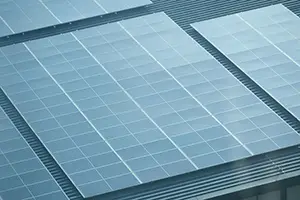
Solar panels are a technology used to convert energy from sunlight into electricity. Usually, these panels are made with semiconductor materials in glass, allowing them to capture sunlight and generate the required electric current.
That electricity can be stored in a battery and power a home. In some areas, homeowners can send energy back to the electric grid and earn money. However, its most popular benefit is helping households minimize energy fees and lower their utility bills. It’s also a renewable energy source, making it a popular, environmentally friendly option for saving energy.
What are Solar Easements?
When discussing solar panel installations and access, solar easements also come into play. Solar easements are legal agreements that protect a property owner’s access to sunlight. Basically, one homeowner may formally agree to allow another property owner to access solar across part of their property.
To be recognized, these voluntary agreements are usually put into writing. In some cases, they must also be filed with the relevant local office to be valid.
Having solar easements in place may be important if new trees or home improvements are done on the neighboring property that could block sunlight from reaching solar panels.
Solar easements don’t automatically give residents the right to solar access from the get-go. Instead, these documents create a property right, provided both parties agree, and state law allows it.
Why Solar Panels Matter in HOA Communities
Solar panels can offer several benefits for homeowners and associations. The most obvious advantage is environmental. Solar energy is renewable and can reduce a household’s reliance on electricity generated from fossil fuels.
There is also a financial reason homeowners consider solar panels. A properly designed system can reduce monthly electric bills, and some homeowners may qualify for tax credits or other incentives. Solar panels may also appeal to buyers who value energy efficiency and lower long-term home costs.
For HOA communities, solar panels can also support resident satisfaction. Many buyers now look for communities that allow practical updates to homes. An association that has clear solar rules can protect the community’s appearance without creating unnecessary conflict.
Solar Panel Laws in Washington
Under Washington legislation, homeowners’ associations are limited from banning the installation and use of solar panels. Under RCW 64.38.055, the association’s governing documents may not include provisions that outright ban a resident from installing solar panels on their property. not ban an owner or resident from installing solar energy panels on their property as long as the panels meet applicable health, safety, and permitting standards.
Apart from this, the state also recognizes the validity of solar easements. According to RCW 64.04.140, solar easements can be created and negotiated privately between property owners.
Solar Panel Laws in Oregon
Oregon state law also protects access to solar panels in HOA communities. Under ORS 94.778, certain restrictions against solar panels are deemed void and unenforceable. For homeowners’ associations, this means they can’t rely on their governing documents to outright deny access to solar panels.
Meanwhile, the state also has several laws governing solar energy easements. For one, ORS 105.880 disallows some conveyance provisions that ban the use of solar energy systems. Meanwhile, ORS 105.890 indicates that solar easements should run with the benefited and burdened properties. ORS 105.895 then outlines what’s required to make and record a solar easement.
Enforceable HOA Solar Panel Rules
While most states protect solar access and the use of solar panels, many homeowners’ associations still have solar panel policies. These policies usually require an architectural review when installing a solar panel system. After all, these are still part of the property’s exterior.
HOA boards or the ARC committee can’t really ban solar panels. Instead, they may require how they appear and how they’re installed. They can specify how these panels may look and where they can be installed. They may also require homeowners to have licensed contractors install the panels. Rules may also require obtaining the proper permits and complying with fire and electrical codes.
With clear standards, everyone in the community can easily follow them. They will know which requirements they need to file, giving the boards the information they need to review.
How to Get HOA Approval for Solar Panels
If you’re planning to install solar panels in your home, you will need to seek approval from the HOA board. Usually, this is done by submitting an ARC review form.
However, the best practice is to consult your HOA’s governing documents and architectural guidelines first. These outline the requirements and allowed materials in any project that would change your home’s exterior. Align your proposal with the HOA’s policies.
Apart from this, you also need to ensure compliance with state laws. For Washington and Oregon residents, they should be aware that their access to solar panels can’t be banned or outright rejected by the HOA. However, they also need to understand that some limitations apply.
Once you’re sure your proposal complies with all the necessary rules, you can start your application. Include all necessary information, along with a roof layout or site plan showing where the panels will be installed. Strong applications also include information about the proper contractors that would install the panels, as well as a list of materials needed.
After submitting the application, homeowners should keep copies of their submission. Having written records matters, especially when the board asks for changes or denies a request. If the board raises concerns, homeowners should respond calmly and offer practical solutions.
Balancing Solar Homeowner Rights
Solar panels in HOA communities have many benefits, and residents have the right to install and access them. However, they should recognize that this access comes with certain requirements that need to be followed. With the right and reasonable guidelines and an understanding with residents, Oregon and Washington HOAs can support solar energy while still protecting community standards.
CWD Group offers HOA management services to community associations in Oregon and Washington. Call us today at 503-488-2008 or contact us online!
Related Articles:
- 7 Key Differences Between Low Rise And High Rise HOA Management
- HOA Payments: What Payment Options Must Be Available To Homeowners
- What Happens When The HOA Meeting Quorum Is Not Met?